HIGHLIGHTS
- The Supreme Court of the United States ruled President Donald Trump lacked authority under IEEPA to impose global tariffs because tariff powers constitutionally belong exclusively to Congress.
- The Court applied the “major questions doctrine,” holding that sweeping economic powers with major consequences require congressional authorisation, not broad emergency interpretations by President.
- Dissenting Justices Clarence Thomas, Samuel Alito, and Brett Kavanaugh argued IEEPA broadly authorizes presidential tariff powers during national emergencies affecting foreign commerce and security.
|
U.S. Supreme Court Strikes Down Trump’s Global Tariffs: Congress Alone Has the Power to Impose Tariffs
Introduction
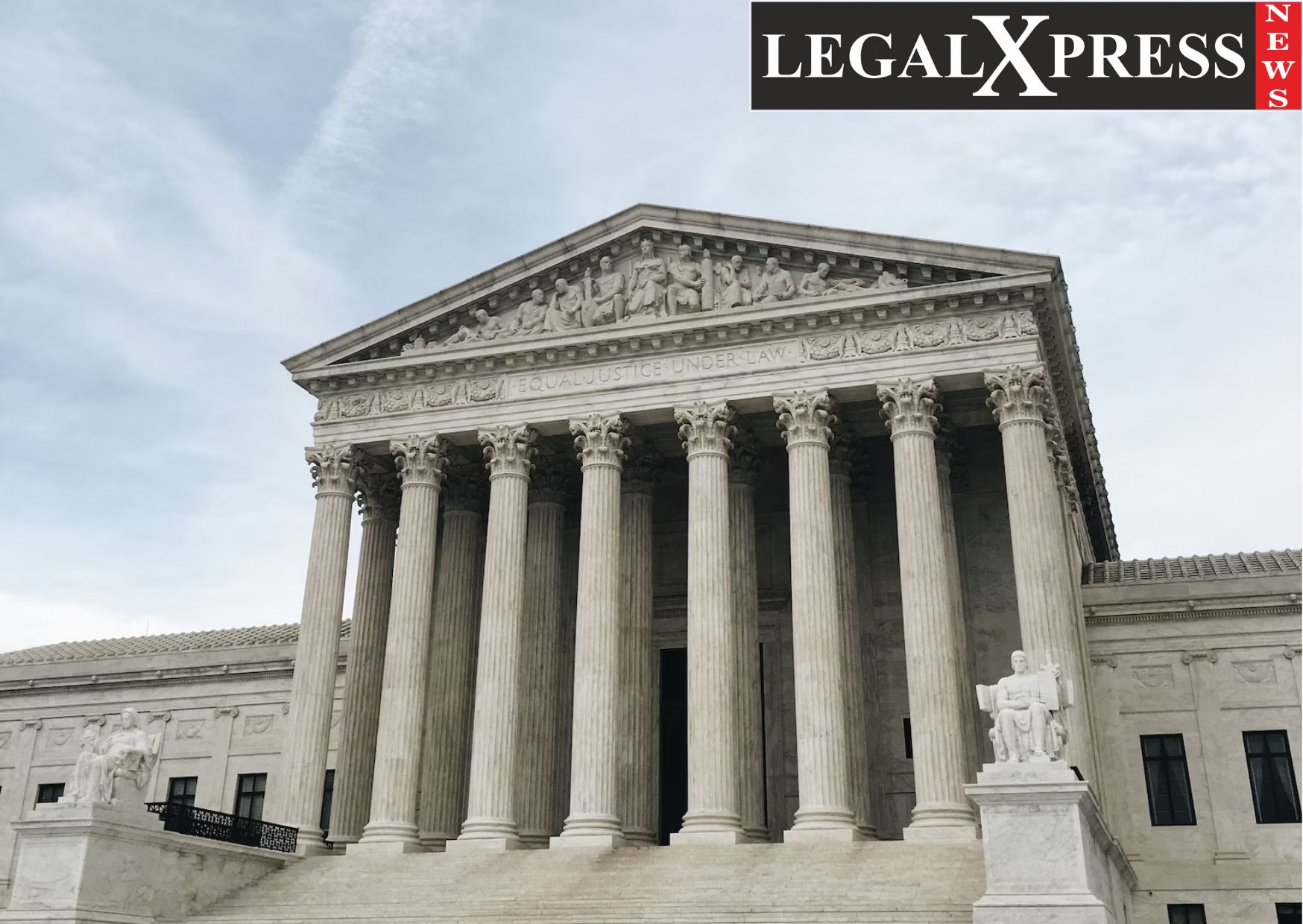
In a landmark constitutional ruling, the Supreme Court of the United States held that former President Donald Trump did not have the legal authority to impose sweeping global tariffs under the International Emergency Economic Powers Act (IEEPA).
By a 6:3 majority, the Court ruled that tariffs are a form of taxation and that the Constitution grants the power to impose taxes and tariffs exclusively to Congress. The judgment is considered one of the most important modern decisions on the separation of powers and executive authority in international trade.
Background of the Case
President Donald Trump had declared national emergencies relating to:
- Illegal drug trafficking,
- Border security concerns, and
- Persistent trade deficits.
Using the International Emergency Economic Powers Act (IEEPA), the Trump administration imposed:
- 25% tariffs on many imports from Canada and Mexico,
- 10% tariffs on several Chinese imports,
- Reciprocal tariffs on imports from many countries, and
- Some Chinese goods faced effective tariff rates as high as 145%.
Small businesses and several U.S. states challenged these tariffs before the courts, arguing that the President had exceeded his constitutional powers.
The cases eventually reached the Supreme Court after lower courts ruled largely against the government.
Main Issue Before the Court
The core legal question was:-
Does IEEPA authorise the President to impose tariffs without approval from Congress?
The government argued that the law allowed the President to “regulate importation,” and that tariffs were a valid method of regulation during national emergencies.
The challengers argued that tariffs are taxes, and only Congress can impose taxes under the Constitution.
Majority Judgment of the Court
Chief Justice John Roberts delivered the principal opinion of the Court.
The majority held that:-
1. Tariffs Are Part of the Taxing Power
The Court emphasised that tariffs are essentially taxes on imported goods.
Under Article I of the U.S. Constitution, the power to:
-
“lay and collect Taxes, Duties, Imposts and Excises” belongs exclusively to Congress. Therefore, the President cannot impose tariffs unless Congress clearly authorises it.
2. IEEPA Does Not Clearly Authorise Tariffs
The Court ruled that the phrase allowing the President to “regulate importation” is not enough to permit sweeping tariff powers.
According to the majority:
-
Regulation and taxation are not the same thing,
-
Congress must clearly state if it intends to delegate tariff authority to the President.
The Court found no such clear authorisation in IEEPA.
3. Application of the “Major Questions Doctrine”
The Court relied heavily on the “major questions doctrine.”
This doctrine states that:
When the Executive claims extremely broad powers with major economic and political consequences, clear authorisation from Congress is required.
The Court observed that the government’s interpretation of IEEPA would allow the President to:
-
Impose tariffs of an unlimited amount,
-
Continue them indefinitely, and
-
Apply them globally,
simply by declaring a national emergency.
The majority considered such power too broad to be inferred from vague statutory language.
4. Foreign Affairs Cannot Override Constitutional Limits
The government argued that international trade and foreign affairs require flexibility for the President.
However, the Court clarified that:
-
Even in matters involving foreign policy,
-
The Constitution still assigns tariff powers to Congress during peacetime.
Thus, emergency powers cannot override the constitutional separation of powers.
The Dissents
Three Justices dissented:
- Clarence Thomas
- Samuel Alito
- Brett Kavanaugh
Justice Brett Kavanaugh wrote the principal dissent.
Key Points from the Dissents
1. “Regulate Importation” Includes Tariffs
The dissenting judges argued that tariffs have historically been used as tools to regulate foreign commerce.
Therefore, according to them:
- The phrase “regulate importation”
- Naturally includes the power to impose tariffs.
They believed the majority interpreted the statute too narrowly.
2. Criticism of the Major Questions Doctrine
Justice Kavanaugh argued that:
- IEEPA was specifically enacted to give the President flexibility during emergencies,
- National security and economic crises require quick executive action.
The dissent warned that restricting presidential authority may weaken the government’s ability to respond effectively to emergencies.
3. Justice Thomas’s Separate Dissent
Justice Clarence Thomas separately questioned the legitimacy and scope of the “major questions doctrine.”
He suggested that:
- Congress may constitutionally delegate broad powers to the President,
- Courts should not impose strict clarity requirements beyond the statutory text.
Constitutional Significance of the Judgment
This decision is significant because it:
- Reinforces the separation of powers,
- Limits executive authority,
- Strengthens congressional control over taxation and trade,
- Expands the importance of the “major questions doctrine,” and
- Clarifies that emergency powers are not unlimited.
The judgment may have long-term consequences for:
- International trade policy,
- Presidential emergency powers,
- Administrative law, and
- Future executive actions in economic matters.
Conclusion
The Supreme Court’s ruling marks a major constitutional limitation on presidential power in the field of international trade. The Court made it clear that tariffs are taxes and that the authority to impose them belongs primarily to Congress, not the President.
While the dissenting judges emphasised the need for executive flexibility during emergencies, the majority prioritised constitutional structure and democratic accountability.
The case is likely to remain an important precedent in debates concerning executive power, emergency authority, and the constitutional balance between Congress and the Presidency.
References
- United States Constitution, Article I
- International Emergency Economic Powers Act (IEEPA)
- Judgments of the United States Court of International Trade
- Decision of the United States Court of Appeals for the Federal Circuit
- Opinion of the Supreme Court of the United States in the consolidated tariff cases
- Discussions on the “Major Questions Doctrine” in U.S. constitutional jurisprudence